02031613720
Explore ISO certification for the medical industry, ISO 13485 compliance, benefits for healthcare, and how to get certified in 2025. Simple, clear, and complete.
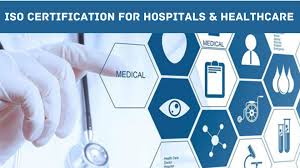
In the medical industry, quality, safety, and compliance are not optional they are critical. Whether you're manufacturing medical devices, running a hospital, or managing a healthcare company, having robust quality systems is essential for patient safety and regulatory compliance. One way to demonstrate this commitment is through ISO certification.
This blog explores the ISO certification for the medical industry, including standards like ISO 13485, their benefits, the certification process, and how to find the right ISO consultant for medical industry businesses. If you're a hospital, medical device manufacturer, or healthcare provider, this guide will help you understand why ISO matters and how to get certified.
ISO certification for medical industry refers to a formal recognition that a healthcare organization, hospital, or medical device manufacturer meets specific international standards for quality, safety, and efficiency.
The most common and critical ISO standards for this sector include:
Among these, ISO 13485 certification for medical devices is the most recognized and widely adopted in the global medical device industry.
The medical sector deals with lives, and any error in process or product can be life-threatening. That's why regulatory bodies around the world require proof that medical products and services meet strict quality standards. ISO certification provides this proof.
Whether you're managing a large hospital or manufacturing surgical equipment, ISO certification for healthcare companies is a powerful trust builder.
ISO 13485 is an international standard that specifies requirements for a quality management system (QMS) where an organization needs to demonstrate its ability to provide medical devices and related services that consistently meet customer and regulatory requirements.
ISO 13485 helps organizations meet not only internal quality standards but also the demands of regulatory bodies like the MHRA (UK) or FDA (USA).
👉 Learn more about ISO 13485 from the International Organization for Standardization
Hospitals and clinics must ensure they deliver care that is not only effective but also safe, consistent, and patient-focused. ISO certification for hospitals ensures that their processes from patient admission to discharge are aligned with global quality standards.
Common ISO standards used in hospitals:
Benefits include reduced errors, better patient outcomes, and stronger reputation management.
Medical equipment needs to perform accurately, safely, and reliably. ISO certification for medical equipment manufacturers ensures that production is consistent, controlled, and compliant with regulatory requirements.
Why it's critical:
ISO 13485 compliance is especially crucial in this area, helping manufacturers meet both ISO and regional regulatory demands.
Many countries require ISO standards before allowing import or distribution of medical devices.
ISO 13485 certification helps organizations align with national and international health regulations.
Standardized processes reduce the risk of errors in patient care or equipment performance.
Certification leads to better documentation, clearer processes, and ongoing improvement.
ISO-certified organizations are preferred by clients, partners, and regulators.
A strong QMS detects and mitigates issues before they become critical failures.
Getting ISO certified involves several steps. Whether you're seeking ISO certification for medical devices or ISO certification for healthcare companies, the process is generally as follows:
Choose the ISO standard(s) that apply to your business model—typically ISO 13485 or ISO 9001.
A professional ISO consultant for medical industry can guide you through documentation, training, and system setup.
Set up processes, policies, and record-keeping that meet ISO requirements.
Conduct internal checks to ensure everything is compliant.
An accredited certification body or audit firm will review your systems and issue the certification if you pass.
Maintain your certification through annual surveillance audits and improvements.
An ISO consultant for medical industry provides hands-on support to help you become certification-ready. Their role includes:
Hiring a specialized consultant can save time, avoid costly mistakes, and ensure a smooth certification process.
These terms are often used interchangeably but mean different things:
Certification carries more weight and is often required by clients and regulators.
Healthcare organizations can seek help from ISO certification services for healthcare to manage the entire process from start to finish. These services include:
Such services are vital for busy hospitals or startups that don’t have the internal resources to manage certification alone.
The medical industry has no room for errors and ISO standards are one of the best ways to ensure safety, trust, and compliance. Whether you're building MRI machines or running a rural health clinic, ISO certification for medical industry organizations adds value, improves care, and opens doors to new opportunities.
From ISO 13485 certification for medical devices to ISO certification for hospitals, achieving certification shows your commitment to quality. With the right preparation and the help of a trusted ISO consultant for medical industry, your organization can stay compliant, competitive, and patient-focused.
 1
1
Typically replies within 30 minutes