02031613720
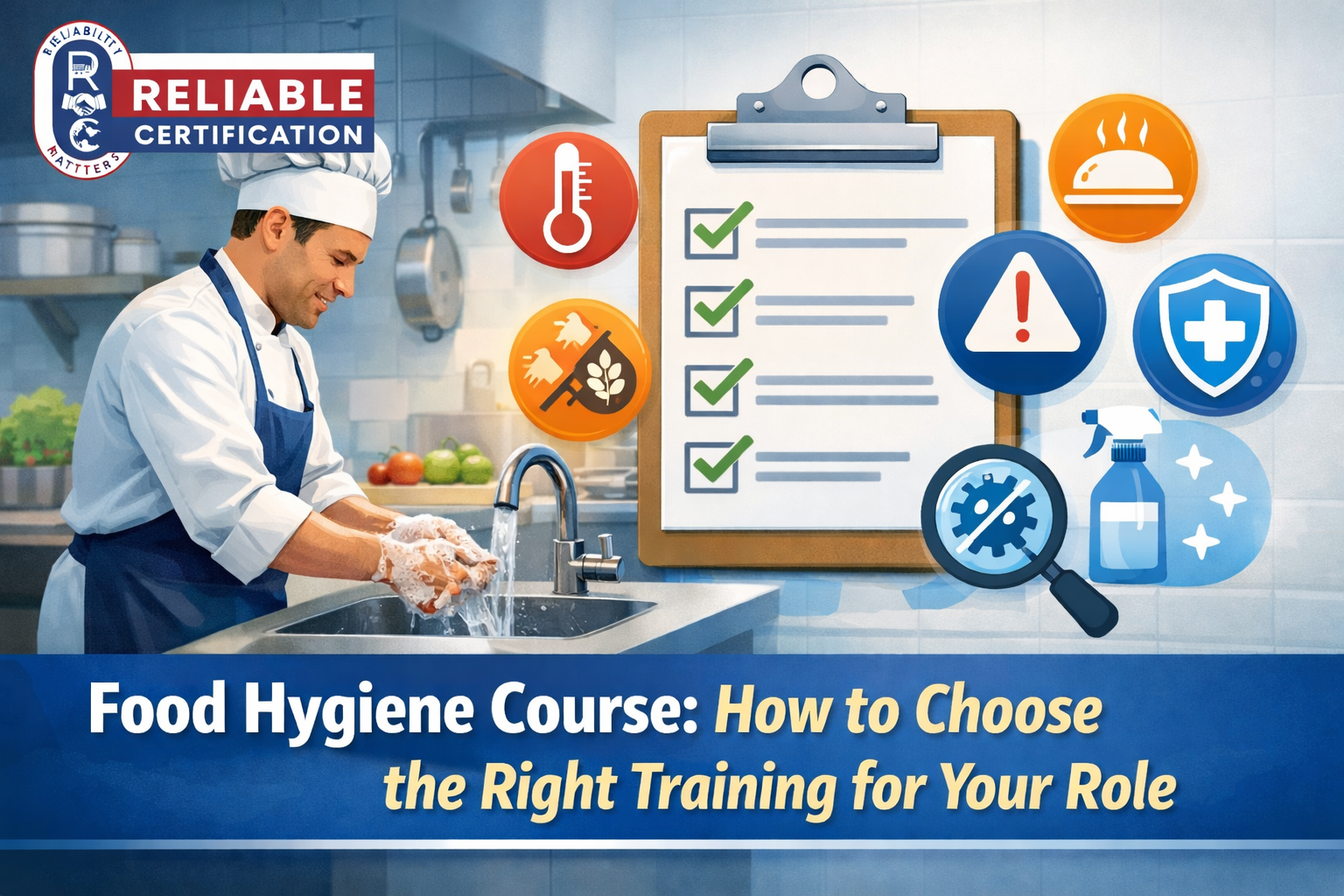
Learn how to choose the right food hygiene course for your role. Understand training levels, online options, and why food safety training is essential.
Introduction
Food safety is a critical responsibility for anyone who works with food. Whether you prepare meals in a restaurant, handle packaged food in a warehouse, or serve customers in a café, maintaining proper hygiene standards helps prevent foodborne illness and protects public health. A food hygiene course provides the knowledge and practical guidance needed to handle food safely and comply with workplace standards.
However, not all food safety training is the same. Different roles require different levels of knowledge, and selecting the right training ensures employees understand their responsibilities. From entry-level staff to supervisors and managers, the appropriate online food hygiene course can help individuals build the skills required to maintain safe food practices in any food handling environment.
This guide explains how food hygiene training works, the different course levels available, and how to choose the right food safety hygiene course based on your role in the workplace.
A food hygiene course teaches the principles of safe food handling, preparation, storage, and hygiene practices. The goal is to reduce the risk of contamination and ensure food remains safe for consumption.
A typical food hygiene training online programme covers topics such as:
By completing a food hygiene qualification online, workers gain the knowledge needed to follow safe procedures in kitchens, food production facilities, catering services, and retail food environments.
Food safety failures can lead to serious consequences for businesses and consumers. Poor food handling practices may result in food poisoning outbreaks, reputational damage, legal action, and financial loss.
Proper essential food hygiene training helps prevent these risks by ensuring employees understand:
When staff complete a course food safety programme, they are better prepared to identify hazards and maintain safe working practices.
For employers, trained staff also demonstrate commitment to compliance and customer safety.
Food hygiene training is typically structured into different levels. Each level is designed for a specific type of job role.
Level 1 is an introductory course designed for individuals who handle low-risk food tasks or work in environments where food safety awareness is required.
This level may suit:
The course focuses on basic hygiene principles and safe food awareness.
Level 2 is the most common food safety hygiene course for people who directly prepare or handle food.
It is suitable for:
A Level 2 online food hygiene course typically covers food contamination risks, safe cooking temperatures, hygiene practices, and legal responsibilities for food handlers.
Level 3 training is designed for supervisors and managers who oversee food safety in the workplace.
Roles that may require Level 3 include:
This course provides deeper knowledge about food safety management systems, hazard control, and supervising safe food practices.
Selecting the correct food hygiene course depends on several factors, including your job responsibilities, level of experience, and workplace requirements.
Your daily responsibilities determine the level of training required.
For example:
Choosing the correct food hygiene qualification online ensures you learn the knowledge relevant to your role.
Some employers require specific food safety certifications for staff. These requirements may depend on company policy, local authority expectations, or internal food safety management systems.
Before enrolling in a food hygiene training online programme, check whether your workplace specifies a particular level of training.
A reliable online food hygiene course should provide structured learning and a recognised certificate upon completion.
Look for courses that:
Proper training ensures the course content aligns with current food safety practices.
Many workers prefer an online food hygiene course because it offers flexibility and convenience.
Online training allows learners to:
For businesses with multiple employees, food hygiene training online can also simplify staff training management.
Although course content varies depending on the level, most food safety hygiene course programmes cover core food safety principles.
Common topics include:
Understanding the types of contamination that can affect food:
Learners also study how contamination spreads and how to prevent it.
Maintaining proper hygiene is one of the most important responsibilities for food handlers.
Training includes:
These practices help protect both food and customers.
Correct temperature control prevents harmful bacteria from growing.
Training covers:
Effective cleaning routines help maintain a safe kitchen environment.
Food hygiene training teaches:
Food allergies can pose serious risks to customers. A food hygiene course introduces the basics of allergen management and cross-contact prevention.
This helps staff understand how to safely prepare and serve food for customers with allergies.
Food hygiene training is valuable for anyone involved in food preparation, handling, or service.
Common roles that benefit from essential food hygiene training include:
Even individuals starting a new career in hospitality often complete a food hygiene qualification online to improve their employability.
Completing an online food hygiene course offers several advantages for both employees and employers.
Learners can study at their own pace without disrupting work schedules.
Online training can be accessed from computers, tablets, or mobile devices.
Digital courses often reduce training costs compared with classroom learning.
Online courses ensure all staff receive the same course food safety guidance and training materials.
These learning resources help food handlers gain the practical knowledge needed to maintain safe food environments.
Food safety is an essential responsibility in any environment where food is prepared or served. Completing a food hygiene course helps workers understand safe practices, prevent contamination, and maintain high hygiene standards in the workplace.
Choosing the right training depends on your role and responsibilities. Entry-level workers may only require basic training, while chefs, supervisors, and managers often need more advanced food safety knowledge.
Online learning has made it easier than ever to complete a food hygiene qualification online, allowing food handlers to develop their skills in a flexible and accessible way.
If you are looking to build your food safety knowledge or train your team, exploring the training programmes available through the Reliable Certification LMS Training platform can help ensure your workplace maintains strong food hygiene standards.
A food hygiene course teaches safe food handling practices, including personal hygiene, contamination prevention, and temperature control. It helps food workers maintain safe food environments.
Anyone who prepares, handles, or serves food should complete a food hygiene course. This includes chefs, kitchen assistants, catering staff, and food production workers.
Yes. Many providers offer food hygiene training online, allowing learners to complete training at their own pace and receive certification upon completion.
The duration depends on the level. Basic courses may take a few hours, while more advanced food safety hygiene course programmes can take longer to complete.
The required level depends on your role. Food handlers usually need Level 2 training, while supervisors and managers may require Level 3 certification.
 1
1
Typically replies within 30 minutes